The Truth About the Mdr Zx110Nc: Pros, Cons, and Verdict
Introduction
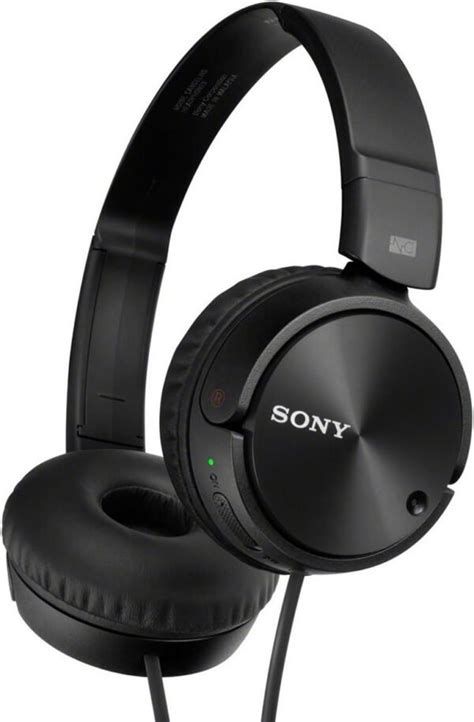
The Sony MDR-ZX110NC occupies a specific corner of the headphone market: affordable, compact, and equipped with basic active noise cancellation. For buyers who need an inexpensive way to reduce background hum on commutes, flights, or in noisy offices without paying for premium wireless features, the MDR-ZX110NC is often one of the first models that appears in searches and recommendations.
This article examines the MDR-ZX110NC from a practical, buyer-focused perspective. It looks beyond marketing copy to evaluate design, sound quality, noise cancellation performance, comfort, portability, and real-world use cases. The goal is to help readers understand where these headphones make sense and where they fall short, so they can decide whether the ZX110NC matches their priorities.
Product overview and intended audience
The MDR-ZX110NC is an on-ear headphone with active noise cancellation (ANC). It targets budget-conscious buyers who want some level of noise reduction without the higher price, complexity, and charging demands of modern wireless ANC models. Typical users include commuters on buses or trains, students studying in noisy libraries, and travelers who prefer a lightweight, low-cost option for blocking engine or cabin hum.
Important expectations to set up front: these are not high-end audiophile cans, nor are they feature-rich wireless models. They are a pragmatic, entry-level ANC option that trades advanced features for simplicity and low cost. With that context, the following sections break down how the MDR-ZX110NC performs against the key factors buyers typically care about.
Detailed review and analysis
Design and build quality
The MDR-ZX110NC has a simple, compact design focused on portability. Materials are primarily plastic, keeping weight to a minimum and the price accessible. The clamshell-like earcups fold somewhat flat for easier storage, and the headband has minimal padding to reduce bulk.
Build quality is serviceable for daily use but not rugged. The plastics used feel lightweight rather than premium; hinges and sliding mechanisms will withstand regular commuting and travel if handled with reasonable care, but heavy knocks or frequent stress will accelerate wear. For many buyers in this price bracket, the trade-off between light weight and less robust materials is acceptable.
Comfort and fit
As on-ear headphones, the ZX110NC rests on the ear rather than surrounding it. That makes them compact but means comfort will vary by ear shape and session length. For short to moderate listening sessions (an hour or two), most users find the padding adequate and the clamping force reasonable. For long-haul flights or extended workdays, some users report pressure and ear fatigue sooner than with over-ear designs.
Because they are lightweight, they are convenient for travel and pocketable storage. Those who prioritize all-day comfort or prefer the isolating seal of over-ear cushions may want to consider different options.
Sound quality
Sound on the MDR-ZX110NC is tuned for broad consumer appeal rather than critical listening. The signature tends toward a balanced presentation with a modest bass emphasis that helps popular music feel engaging. Mids are reasonably clear for vocals and podcasts, while highs are functional but not extended or detailed in the way more expensive cans can be.
In practical terms, the ZX110NC performs well for casual music listening, streaming video, and voice content. Audiophiles or listeners with a preference for accurate, analytical sound will notice limitations in resolution and dynamic range. For everyday use — commuting playlists, YouTube, or in-flight entertainment — the sound is more than adequate and consistent with the price point.
Active noise cancellation performance
ANC is the distinguishing feature of the ZX110NC. It is effective at reducing steady, low-frequency noises such as bus or train hum and airplane engines. The noise cancellation module is not as aggressive or adaptive as premium systems, but it does deliver a meaningful reduction in background rumble, which can make travel and focused work more comfortable.
Budget ANC typically struggles with transient noises and human speech; the ZX110NC is no exception. Sudden high-pitched sounds, rapid conversations nearby, and complex acoustic environments will still be audible. Buyers should think of the ZX110NC as a way to reduce continuous mechanical noise rather than fully isolate them from every distraction.
Shop the latest Audio & Headphones picks on Amazon.
View Offers →Connectivity, controls, and powering ANC
The MDR-ZX110NC is a wired model. Wired connectivity guarantees compatibility with a wide range of devices without worrying about wireless pairing. The noise cancellation circuit requires power; on many budget ANC designs this comes from a small replaceable battery or a simple power module in the cable. This means buyers should expect to manage battery replacement or carry a spare if they rely on ANC for long trips.
Control simplicity is part of the appeal — there are no complex apps, Bluetooth pairing, or firmware updates to manage. However, this also means there are no modern conveniences such as inline microphones optimized for calls, multipoint pairing, or touch controls. For users who need hands-free calling or wireless freedom, the ZX110NC is not the right choice.
Portability and accessories
These headphones fold reasonably flat and are light enough to carry in a backpack or small bag. Because they are wired and compact, they are well-suited for travelers who want a no-fuss pair of cans for inflight noise reduction without adding much bulk.
Included accessories in this category are typically minimal: the headphones themselves, the cable, and sometimes a simple carrying pouch. Buyers should not expect extensive accessory bundles like carrying cases, extra cables, or adapters.
Durability and long-term value
Long-term durability is adequate for careful everyday use. Plastics and lighter materials mean that heavy-handed usage will show wear sooner than metal or higher-end composites. Replacement pads and parts may be limited for older or entry-level models, which is an important consideration for buyers who want a long-term investment. From a cost-to-value standpoint, the ZX110NC delivers a practical level of ANC and acceptable sound for the price, but it is not built to outlast a premium pair by design.
Pros & Cons
- Pros:
- Affordable entry point for active noise cancellation
- Lightweight and portable — easy to pack for travel
- Simple wired connectivity with no pairing or software required
- Effectively reduces steady low-frequency noise (engines, HVAC hum)
- Good value for casual listening, podcasts, and travel
- Cons:
- On-ear design can cause fatigue in long listening sessions
- ANC performance is modest compared with modern premium systems
- Basic materials and plastics limit long-term ruggedness
- Lacks modern features: wireless, advanced mic for calls, app customization
- Noise cancellation requires power management (battery replacement or similar)
How the MDR-ZX110NC compares to other options
| Feature | MDR-ZX110NC | Typical Budget ANC Headphones | Premium ANC Headphones |
|---|---|---|---|
| Form factor | On-ear, foldable, wired | On-ear or small over-ear, wired or low-cost wireless | Full over-ear, robust hinges, wireless |
| Noise cancellation | Effective on steady low-frequency noise; limited on speech and transients | Varies; many match ZX110NC on steady noise but struggle on complex sounds | Advanced multi-mic, adaptive ANC that reduces broad classes of noise |
| Sound quality | Balanced consumer tuning with modest bass boost | Generally similar — adequate for casual listening | High resolution, wider soundstage, better detail |
| Comfort for long sessions | Moderate — on-ear can be fatiguing over many hours | Varies; many budget over-ears improve comfort | Designed for long wear with plush cushions |
| Features | Minimal: wired simplicity, ANC on/off | Some add Bluetooth and basic controls | Wireless, multi-device pairing, app tuning, advanced call mics |
| Price | Entry-level | Entry- to mid-level | High-end |
Real-world use cases
Understanding typical scenarios helps determine whether the MDR-ZX110NC is the right purchase:
- Commuting: For bus, subway, and train riders who want to reduce the constant rumble of engines and wheel noise, the ZX110NC provides noticeable relief at a low price point.
- Air travel: The headphones reduce airplane cabin hum, making movies and music more enjoyable. For short flights they are a practical, space-saving option; on long-haul flights travelers who value comfort over compactness may prefer over-ear models.
- Office or study: In shared workspaces or cafés, the ZX110NC helps lower background mechanical noise, aiding concentration for reading or low-attention work. It is not a substitute for private office space when others are talking loudly nearby.
- Home use: They work well for casual listening and audiovisual content at home. Families and roommates should note they will not completely isolate external voices or very high-frequency disturbances.
- Calls and remote work: Because these are primarily a wired consumer model with limited mic functionality, they are not ideal for professionals who rely on frequent, high-quality voice calls or video conferencing without an external microphone.
Buying guide: what to consider before purchasing
When evaluating the MDR-ZX110NC or comparable budget ANC headphones, buyers should weigh the following factors:
1. Primary use case
Decide whether the headphones will mainly be used for travel, daily commuting, studying, or office work. If noise reduction for continuous mechanical hum is the main need, the ZX110NC can deliver strong value. If full isolation from speech and sudden sounds is essential, consider higher-tier ANC models or passive over-ear isolation.
2. Comfort and fit
Try to assess fit: on-ear designs are compact but can become uncomfortable during long sessions. If possible, test headphones in-store or verify return policies when buying online. Those with larger ears or who plan all-day wear should prefer over-ear models with larger cushions.
3. Wired vs wireless
Wired models like the MDR-ZX110NC are simple and widely compatible, but lack the freedom of wireless. Consider whether the convenience of Bluetooth, battery charging, and built-in mics outweighs the reliability and lower cost of a wired headset.
4. Noise cancellation expectations
Budget ANC typically excels at reducing low-frequency, steady noise but struggles with speech and complex transient sounds. Match expectations to the intended environment: plane engines and train hum are fair game; chatter-heavy environments are less likely to be fully suppressed.
Looking for the best Audio & Headphones deals on Amazon?
View Offers →5. Battery and maintenance
ANC requires power. Determine how that power is supplied (replaceable battery vs rechargeable module) and whether the required maintenance is acceptable. If the model requires user-replaced batteries, plan for spares. If the ANC drains a built-in battery, factor in charging needs.
6. Durability and warranty
Budget headphones typically use lighter materials. Check warranty terms and read reviews about long-term durability. If ruggedness and repairability matter, consider paying more for better materials and replaceable parts.
7. Sound priorities
If the buyer prioritizes neutral, reference-quality sound for critical listening, the MDR-ZX110NC will likely disappoint. But for everyday listening, podcasts, and casual music, the tuning is generally satisfying. Consider whether upgrading to a mid-range or premium model for improved soundstage and clarity is worth the extra investment.
Common buyer questions answered
Is the MDR-ZX110NC worth buying for travel?
Yes, if the buyer wants an inexpensive, lightweight solution to reduce continuous engine and cabin noise. It improves the travel experience for many users without the cost and charging requirements of higher-end wireless ANC models.
Can these headphones replace noise-isolating earplugs or high-end ANC headphones?
No. They are useful for reducing certain types of noise but do not match the isolation or adaptive ANC of premium headphones. For the best passive isolation, well-fitted foam earplugs or custom-molded options will outperform on-ear ANC in many scenarios.
Are they suitable for calls and video conferencing?
Not as a primary headset. If frequent, high-quality voice calls are required, a headset with a dedicated boom or better integrated microphone will be preferable. The ZX110NC is optimized for listening and basic noise reduction rather than hands-free communication.
Conclusion
The Sony MDR-ZX110NC is a pragmatic choice for buyers who want budget-friendly active noise cancellation in a compact, wired package. It succeeds where it counts: reducing steady low-frequency noise and delivering dependable, uncomplicated listening for commuters, casual travelers, and students. Its strengths are portability, affordability, and simplicity.
However, those who demand robust ANC across all noise types, extended comfort for marathon listening sessions, wireless convenience, or high-end audio fidelity should look toward higher-tier models. The ZX110NC is best seen as a value-oriented product that fills a clear niche — economical noise reduction for common travel and everyday scenarios — rather than a replacement for modern premium ANC headphones.
For buyers comparing priorities, the deciding questions are straightforward: is price and portability more important than comfort and feature set? If the answer is yes, the MDR-ZX110NC is a reasonable, honest option. If not, budgeting a bit more for advanced ANC, better materials, and wireless features will deliver a noticeably different experience.